

The RABC Program ends Sept. 14, 2026. P&P file photo
Canada Determining Location of ‘Telephone Reporting Sites’ as RABC Program Ends

By Joe Friedrichs
BOUNDARY WATERS – As the end of the popular Remote Area Border Crossing Program nears, more than 200 people responded to a request from the Canadian government for where people should report in from as they cross border lakes near or in the Boundary Waters.
Approximately 240 responses were received between Jan. 26 and Feb. 13, according to information the Canada Border Services Agency (CBSA) shared with Paddle and Portage media this week. As we reported earlier this year, officials from the Canadian government were seeking input from various stakeholders on where telephone reporting sites should be located once the RABC Program ends Sept. 14. As of this date, “all travelers entering Canada through remote areas of northern Ontario or from the Northwest Angle into southern Manitoba must report to the CBSA at a port of entry or a designated telephone reporting site,” according to CBSA officials.
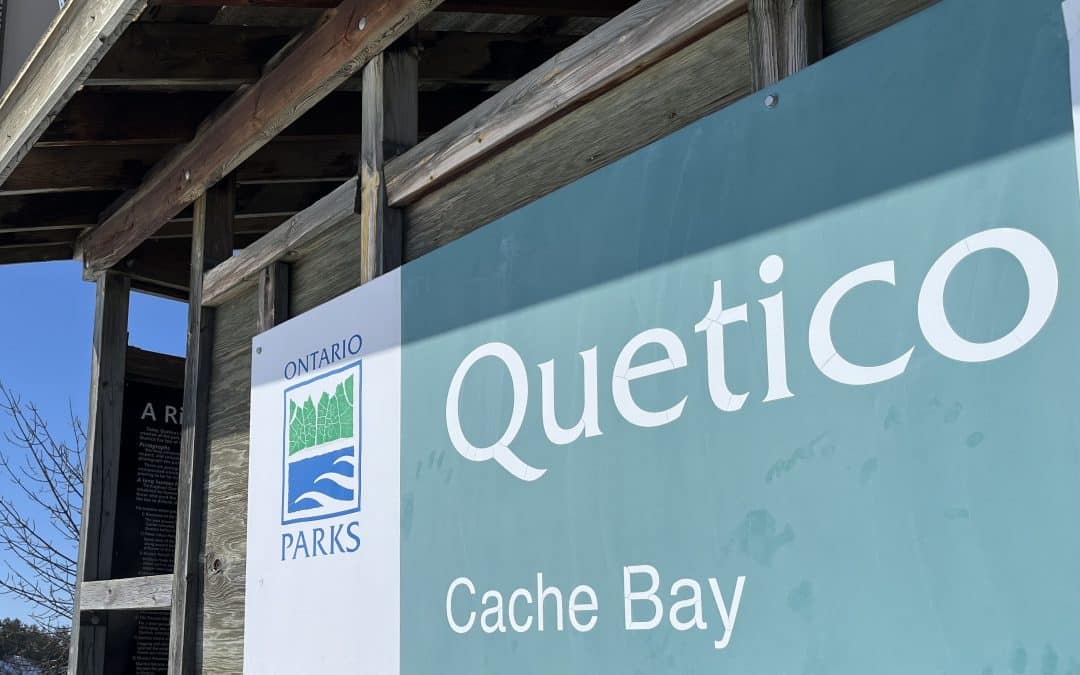
The location sites could range from Quetico ranger stations such as the one at Cache Bay, to small resorts located on the Canadian side of lakes such as Saganaga.
“Travelers will be required to phone in from a designated telephone reporting site,” Karine Martel, a spokesperson for CBSA told Paddle & Portage media March 11. “They will be able to use their cell phones to call the telephone reporting center to report their entry to Canada, or they can use the phones provided on site.”
Boundary Waters gateway to Canada. Photo courtesy of Soka Outdoors
Meanwhile, there continues to be concern about who can utilize the telephone reporting system and where people will be able to use it. For example, CBSA officials state that telephone reporting will not be allowed for “chartered vessels, including fishing charters.” The telephone reporting system will also not be able to be used by people in “vessels carrying passengers for remuneration (money paid for work or a service.)”
Paddle and Portage media asked if this applies to fishing guides and towboat operators who work in the Gunflint and Ely areas on the border lakes.
“Chartered vessels, including fishing charters are commercial conveyances. Commercial conveyances (cargo and passenger) are not permitted to use alternative reporting manners, including telephone reporting, and must report to the CBSA from a port of entry that is open for business and designated accordingly,” Martel said in a statement sent to P&P March 11. “A conveyance that does not anchor, moor or make contact with another conveyance while in Canadian waters is not required to report its entry.”
In a follow-up statement sent March 12, Luke Reimer, another CBSA spokesperson, confirmed that a U.S. fishing guide who crosses into Canadian waters with paying clients from the U.S. is considered the same thing as a “fishing charter.”
“A fishing guide with paying clients is ‘for hire,’” he said. “The CBSA would consider this a fishing charter, and thus, a commercial conveyance.”
Regarding the next steps in the dissolving of the RABC Program and the survey on telephone reporting sites, CBSA officials said, “Consultation with Indigenous communities, local businesses and law enforcement partners are ongoing. More information on the feedback we have and will receive will be shared upon the announcement of the new telephone reporting sites.”
Subscribe to Paddle and Portage to support journalism from and about the Boundary Waters.
Other Recent Articles

Lake Trout Season to End March 15 on Popular Gunflint Trail Lakes, Surprising Some Anglers and DNR
The 2026 trout season ends March 15 on Gunflint and Sag and other border lakes outside of the BWCA Wilderness. Photo by Chad KieperGUNFLINT TRAIL – The ice fishing season for lake trout will, at least on paper, end this weekend on Saganaga and Gunflint lakes due to a...

Shug the Hammock Camper Diagnosed with Rare Form of Cancer
Shug (right) and M Baxley at the 2025 Winter Camping Symposium. Photo by Joe FriedrichsOur friend Shug found out this week he has a rare blood disease called chronic myeloid leukemia. Shug introduced the joys of hammock camping to people all over the world. His videos...

A Visit to Sigurd Olson’s Listening Point as Senate Nears Vote to Reverse Mining Ban
Photo from inside Sigurd Olson's house in Ely, now the headquarters for the Listening Point Foundation. Photo by Joe FriedrichsA bill that was introduced by a Minnesota Congressman to overturn a 20-year mining ban near the Boundary Waters is heading to the Senate...