
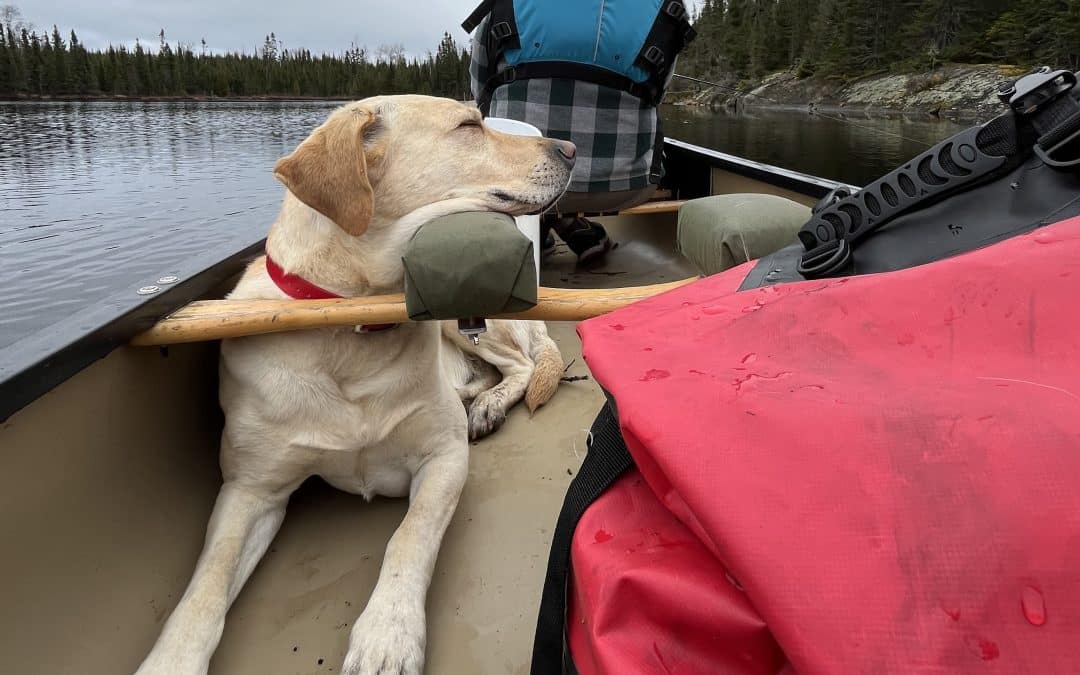

Bird hunting is a common activity in Minnesota, including the BWCA. Photo courtesy of Courtney Perry Photography
Hunting Organizations Voice Concern Over BWCA Policy Regarding Dogs in the Wilderness

By Joe Friedrichs
BWCA – An adjustment to language used by the U.S. Forest Service has some hunters and outdoor organizations concerned about the use of dogs for hunting and other purposes in the nation’s most visited wilderness.
The language in question is specific to dogs being on a leash in the BWCA. According to a document released Feb. 6 by officials from Superior National Forest titled “Top 20 FAQs for BWCAW Trip Planning,” dogs in the BWCA “must be on a 6-foot leash or shorter at all times.”
The policy is a modest shift in 2024 from previous years. For example, an earlier post from Superior National Forest states: “Dogs must be under human control at all times on a 6-foot or shorter leash.”
Nonetheless, the fact the Forest Service altered the language of what some are referring to as a “leash law” has organizations from Ely to the Twin Cities feeling uneasy. For example, an advocacy group that promotes hunting and fishing in the BWCA is concerned that it creates “uncertainty” for bird hunters or others who bring their dogs for a specific purpose to the Boundary Waters.
“The 1.1 million acres of huntable space in the Boundary Waters presents tremendous opportunities for public land bird hunters to enjoy the backcountry with their bird dogs,” said Sportsmen for the Boundary Waters Executive Director Lukas Leaf. “Unfortunately, the language of the new official rule creates uncertainty for hunters and gray area for conservation officers enforcing laws. This rule needs to be written in a way that leaves no uncertainty for hunters intending to legally pursue ruffed grouse, spruce grouse, woodcock, and waterfowl species inside the BWCA.”
There are many BWCA visitors who bring their dogs on a canoe, hiking, hunting, or winter adventure to the wilderness. According to the Forest Service, “Dogs can endanger wildlife and barking intrudes on the experience.”
Leaf acknowledges that disruptive dogs should not be allowed to roam off-leash in the BWCA. However, the Forest Service needs to clarify the recently updated policy to address if hunters can have their dogs off leash for things like grouse or waterfowl hunting.
“While we recognize taking dogs into the Boundary Waters can present unintended consequences, especially when it comes to family pets not accustomed to the wilderness and the wildlife that live there,” Leaf said, “we believe the Forest Service’s new rule needs clarifying language around legally utilizing bird dogs inside the Boundary Waters.”
In addition to the Sportsmen for the Boundary Waters organization, Paddle and Portage also talked with representatives from the Backcountry Hunters and Anglers. A representative from the group said they are planning to release a response soon regarding the use of hunting dogs in the BWCA, though they said they were still gathering information on the rules and regulations specific to this topic.
Paddle and Portage will be sharing a response soon from officials on Superior National Forest regarding dogs being on leashes “at all times” in the BWCA. The Forest Service have said they will respond to questions from Paddle and Portage on this topic. Among the questions we asked are if hunters are allowed to have their dogs off leash in the BWCA, and what the fine is for anyone who violates the leash law.
The news team at Paddle and Portage first sent questions related to this topic to the Forest Service June 16. The agency told Paddle and Portage June 27 they will do an interview on this topic July 1. The Forest Service this week told Minnesota Outdoor News that “if you are participating in an active hunt, you can have your dog off-leash.”
Alterations to rules and regulations in the BWCA have been a concern for some user groups and visitors to the wilderness already this year, specifically a food storage order that was signed into law in April.
With regard to dogs in the Boundary Waters, the Forest Service tells Outdoor News that the fine will be $50 if someone violates the leash law in the BWCA. They also note that it is the option of a wilderness ranger or law enforcement officer to issue a citation or use the situation as “educational.” This is similar to the sentiments shared in the rollout of the food storage order from earlier this year. This means it’s a subjective determination by the officer or ranger as to if you will be fined and ticketed.
Meanwhile, the Forest Service says that every year visitors lose dogs within the BWCA due to a run-away or wildlife encounter. They ask the public to “please follow the law to protect your dog and wildlife.”
Other Recent Articles

Missing Hiker Found Alive & Alert at Isle Royale National Park
Isle Royale National Park. P&P file photo A hiker missing at Isle Royale National Park for a week has been found on the remote Lake Superior island. Craig Berg, 70, has been found alive and alert, the National Park Service announced Sept. 12. Berg, missing since...
A Tour of Areas Burned in 2026 BWCA Wildfires
The Sioux River North Entry Point in September 2026. Photo by Joe Friedrichs The fires that shut down the Boundary Waters Canoe Area Wilderness this summer made national news. Paddle & Portage media was invited Sept. 9, along with other members of the press, to...

The Politics of the Boundary Waters Rolls Into September with Candidate Forums in Ely
Aaron Kania, left, and Ely Mayor Heidi Omerza (center) talk about the Boundary Waters with a group at the college in Ely. Photo by Joe Friedrichs Mining near the Boundary Waters will be in the political spotlight this month as a pair of political forums take place in...