
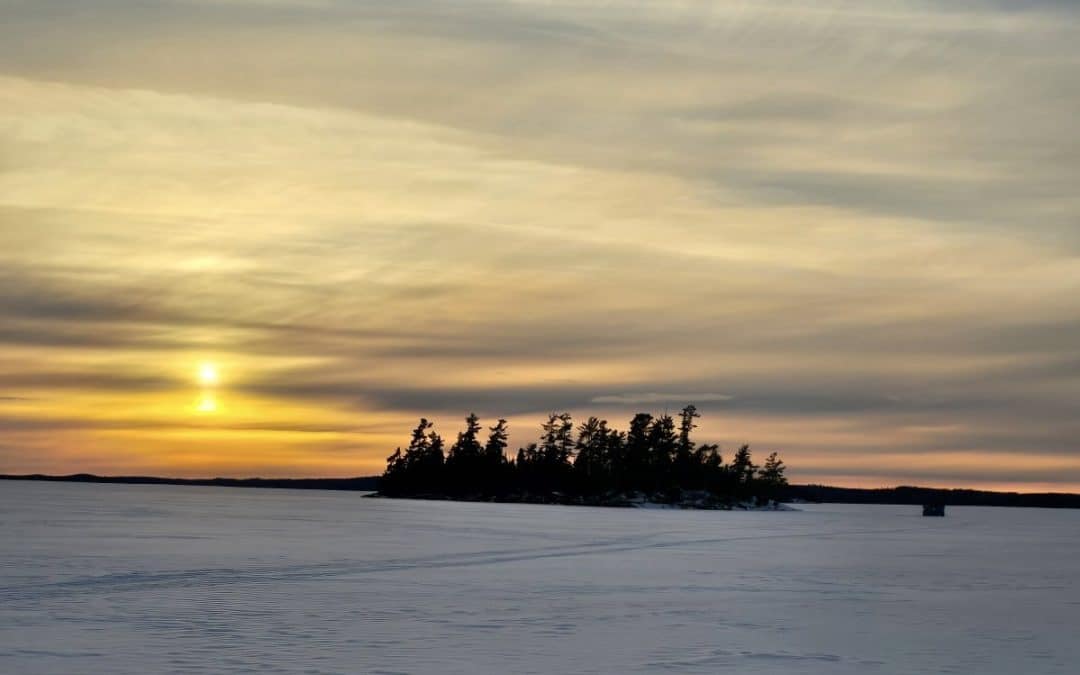
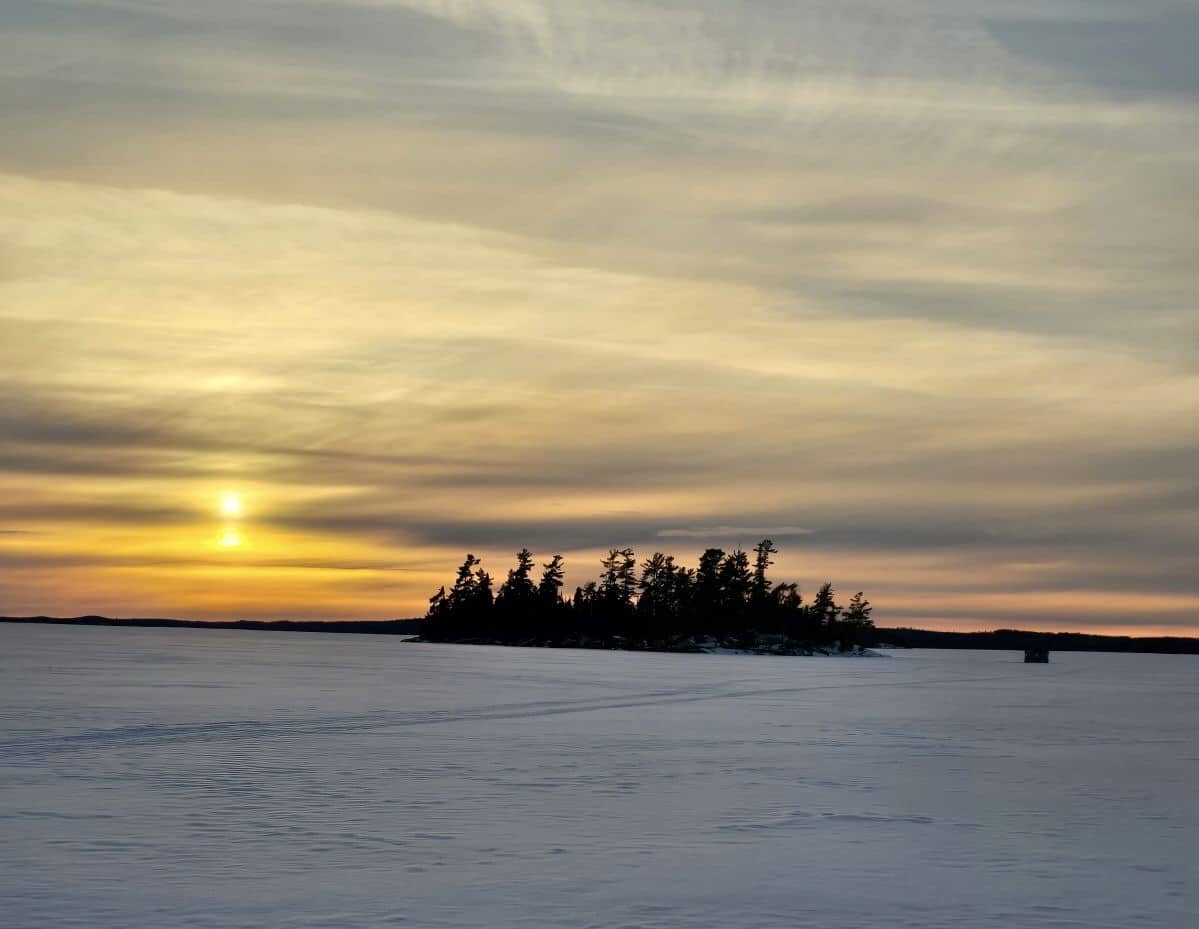
Saganaga Lake is a popular area for RABC permit use. File photo
Canada Extends Most RABC Permits Until Final Day of 2025

By Joe Friedrichs
UPDATE: Despite a missive sent Jan. 16 from the Canada Border Services Agency to a Minnesota resident that said all permits under the Remote Area Border Crossing Program are valid until the end of the year, Canadian officials hit the brakes on the news. Click here for an update to this story.
This letter was sent to Paddle and Portage Jan. 17. The contents of the letter were verified by staff at Canadian customs at the Pigeon River Port of Entry over the weekend.
Following that, officials from CBSA in Ottawa told Paddle and Portage Jan. 21 that the statement “was provided in error.”
CBSA continues: “We regret any confusion caused and have reached out to the requester to correct the information. The Canada Border Services Agency (CBSA) is pursuing all options to support existing permit holders while we review and update our procedures. These options may include the extension of current permits, but no decision has been made to date. We do expect a decision in the coming weeks and will reach out to you personally as soon as there is any additional information to share.
ORIGINAL STORY:
SAGANAGA LAKE – Donny, you’re in your element.
After driving, snowmobiling, and trekking across frozen lakes and untrammeled roads through the snow-covered forest, Donny Sorlie made it to this massive lake straddling the U.S.-Canada border just before dark Jan. 17. The haul took him two days to complete.
It turns out, he could have just snowmobiled up the lake, saving hours of needless travel time.
In a surprise announcement to some, Canada quietly extended most permits under the Remote Area Border Crossing (RABC) Program. In a statement sent to Paddle and Portage Friday afternoon and confirmed over the weekend by agents from Canada, “all existing permits” were extended until Dec. 31.
With nothing in the way of a public announcement, the Canadian government in late September “paused the processing of new and renewal applications” for the RABC program that allows travelers to cross into certain remote parts of the Boundary Waters region.
After more than two months of questioning from members of the press, Congressional staff, business owners, and people who felt as though they were being left in the dark, Canadian officials finally provided some indication about the future of the RABC program.
The statement from Canadian officials reads: “The Canada Border Service Agency regularly assesses its programs to respond to current service needs and evolving trends, while ensuring the safety, security, and prosperity of Canada. This pause in processing applications was necessary to allow the CBSA to do an administrative review and update of internal procedures. No resumption date has been set at this time for application processing.
To minimize impact on permit holders, the validity dates of all existing permits was extended until December 31, 2025. New applications made after September 25, 2024 will also be valid until December 31, 2025.”
CBSA did not immediately respond to a request for comment about when this decision was made. The agency also has not said if all new applications are valid, or only previously issued permits that were set to expire and are submitted for renewal.
Sorlie’s RABC expired Jan. 1. He believes, under the current reading of the law that came from CBSA this month, that his permit is once again valid. The co-owner of Chippewa Inn on the Canadian side of Saganaga Lake near the end of the Gunflint Trail, Sorlie said he spent months feeling “totally, 100 percent, left in the dark with no rhyme or reason” regarding this situation. As he believed his permit had expired when he left Grand Marais for Saganaga Jan. 16, this meant he had to travel across the border at the Pigeon River Port of Entry rather than by using the access up Saganaga that his RABC would have permitted. That meant he had to travel up Highway 61 and cross at Pigeon River into Canada, then enter the Ontario interior from Northern Light Lake or Trout Bay Road. For context, Donny said that turns what would be a two-hour trip from Grand Marais to Chippewa Inn on the Canadian side of Sag into a 10-hour trip under ideal conditions.
“Those are rough roads back in there,” he said. “That access is tough any time of the year.”
The RABC permits allow U.S. citizens to cross into Canada on some border lakes, from Lake Superior over to Rainy Lake, without stopping at a customs checkpoint such as the Pigeon River entry point in Grand Portage. These permits cost about $35 to process and must be renewed annually.Canadian officials issued approximately 9,000 RABC permits in fiscal year 2023-2024. As of Dec. 10, they’ve issued approximately 7,300 permits in fiscal year 2024-2025, according to CBSA officials.
When Paddle and Portage spoke with Sorlie Jan. 17 and again Jan. 19, he expressed satisfaction and relief that the RABC permits are valid, at least for another year. However, the communication from Canadian officials about this situation, or lack thereof, leaves him feeling frustrated on certain levels.
“We just didn’t hear anything for months,” he said. “We just wanted simple, straight talk.”
This is the second time in recent years that RABC permits have been either suspended or paused. During the COVID-19 pandemic, all travel between the U.S. and Canada was suspended, with the RABC permits being suspended until 2022.
Recently re-elected Minnesota Congressman Pete Stauber sent a letter to Canadian officials requesting that RABCs be available in 2022, telling this reporter at that time, “Minnesota and Canada both benefit from a healthy, reciprocal border crossing relationship. Especially during the summer months, our shared border area is a hub of economic vitality as tourists from around the world look forward to visiting our shared wilderness and lake areas.”
Paddle and Portage reached out to officials from Stauber’s office for comment on the current pause of RABC permits. Representatives from Stauber’s office told Paddle and Portage Dec. 10 that Stauber’s office submitted a letter to Canadian officials regarding the RABC program.
“I understand the RABC program regularly undergoes review, which may delay the renewal process,” Stauber said in the letter dated Nov. 25. “However, unnecessary delays in the application renewal would be counterproductive to the prosperity of both of our nations.”
The RABC system has been in place for decades and has been effective in facilitating border crossings for individuals who live in remote areas and are unable to check in at an official point of entry, Stauber said previously. It is also utilized by paddlers who enter Quetico Provincial Park through Cache Bay from the end of the Gunflint Trail.
Subscribe to Paddle and Portage to support this type of journalism from and about the Boundary Waters.
Other Recent Articles

What Forest Service Headquarters Moving to Utah Means for the Boundary Waters
Information kiosk near the Tofte Ranger Station. April 2026 photo by Joe Friedrichs The federal government announced this week it is moving the headquarters for the U.S. Forest Service from Washington, D.C. to Salt Lake City. As part of the move, the Forest Service...

Forest Service Uses Dog Sled Teams in First Steps to Improve Monument Portage
Monument Portage in summer 2025. Photo by Mark Zimmer (the Barefoot Paddler) It became known as the portage where boots and socks vanish for parts unknown. The Monument Portage. Straddling the U.S.-Canada border, this well-traveled portage between Ottertrack and Swamp...

The Political Theater of the Boundary Waters
A land of legislation (and wilderness?). Photo by Joe Friedrichs ST. PAUL – State Senator Grant Hauschild went fishing for the votes of some Boundary Waters enthusiasts this month. Most regional media took the bait. In a move that some media outlets say will “protect...