
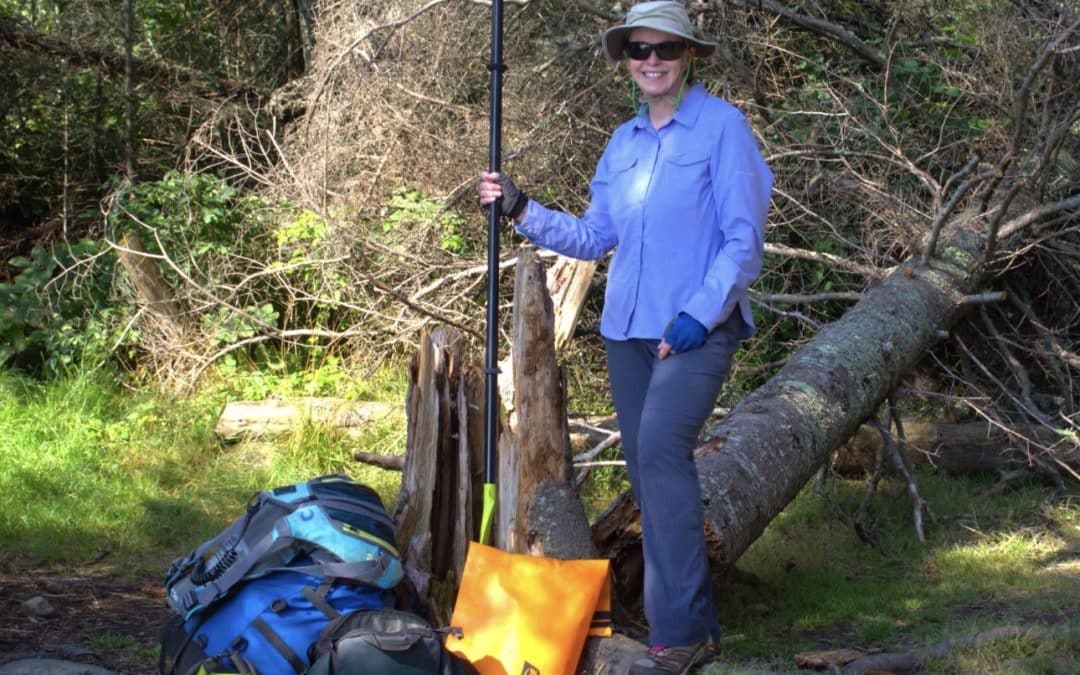

Roberta Laidlaw in the BWCA. Submitted photo
After the Closure: A Return to the Boundary Waters

By Roberta Laidlaw
SAWBILL LAKE – As we pushed off from the Sawbill dock, I felt a rush of joy. Today would be our first Boundary Waters canoe trip in 2026. Due to the fire closure that shut down the entire Boundary Waters Canoe Area Wilderness July 14, a ban that would last about two weeks in this part of the wilderness, we were grateful to have this one day of paddling.
My partner, Steve, and I had been planning a 200-mile canoe trip for the end of July. Our route, which started at the Little Indian Sioux River North entry point near Ely, would have taken us along the Canadian border eastward to Lake Superior. After a lightning storm July 6 ignited a series of wildfires in and around the BWCA, I realized that our border trip was probably over. The Little Indian Sioux River, Lac La Croix, and Crooked Lake were getting hit hard by the wildfires, and eventually the U.S. Forest Service canceled our permit.
Three weeks later, the Forest Service announced that a portion of the Boundary Waters would reopen for day use. I knew I needed to go, even just for a day of paddling. The canoe country is a part of me. I felt a strong urge to be there. To see it.
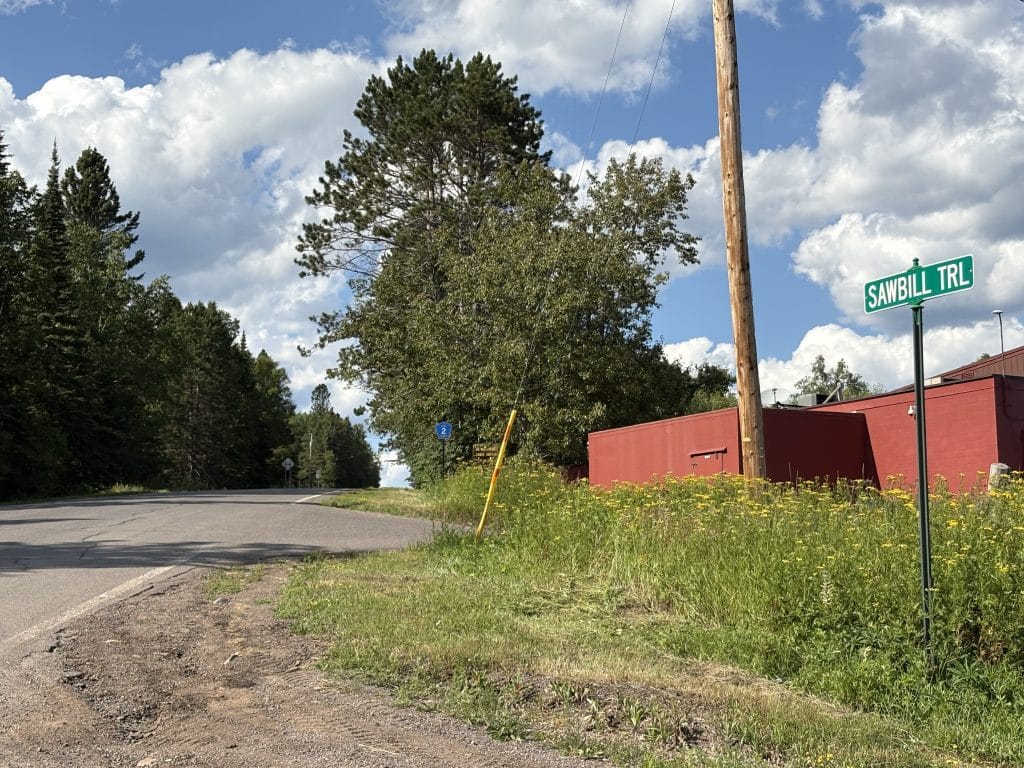
Base of the Sawbill Trail. P&P photo
I experienced my first overnight BWCA trip 32 years ago. From the Sawbill dock, a bunch of friends had paddled to Cherokee Lake, where we made a base camp for further exploring. Something in the woods and on the water here clicked for me. The rhythm of paddling and portage made sense to me, and not just in a utilitarian sense. Ever since that first trip, the Sawbill area has remained an important entry point for me, though I’ve since explored many others.
All the same, many routes begin from the Sawbill dock, and I’ve done several of them. But I’d never paddled to nearby Alton Lake or Beth Lake, which are located west of Sawbill. With limited time and only a day trip on the docket after the reopening of the wilderness, we decided to pack for a day trip to Alton and Beth.
The first Saturday of the reopening, Aug. 1, Steve and I left our Duluth home at 5 a.m. After unloading at the Sawbill dock, we were on the water by 7:30. On most summer days, the Sawbill dock is bustling with canoeists leaving or arriving, and it can get so crowded that you must wait to launch your canoe. However, on this day, Steve and I were alone. The people were coming back, but slowly.
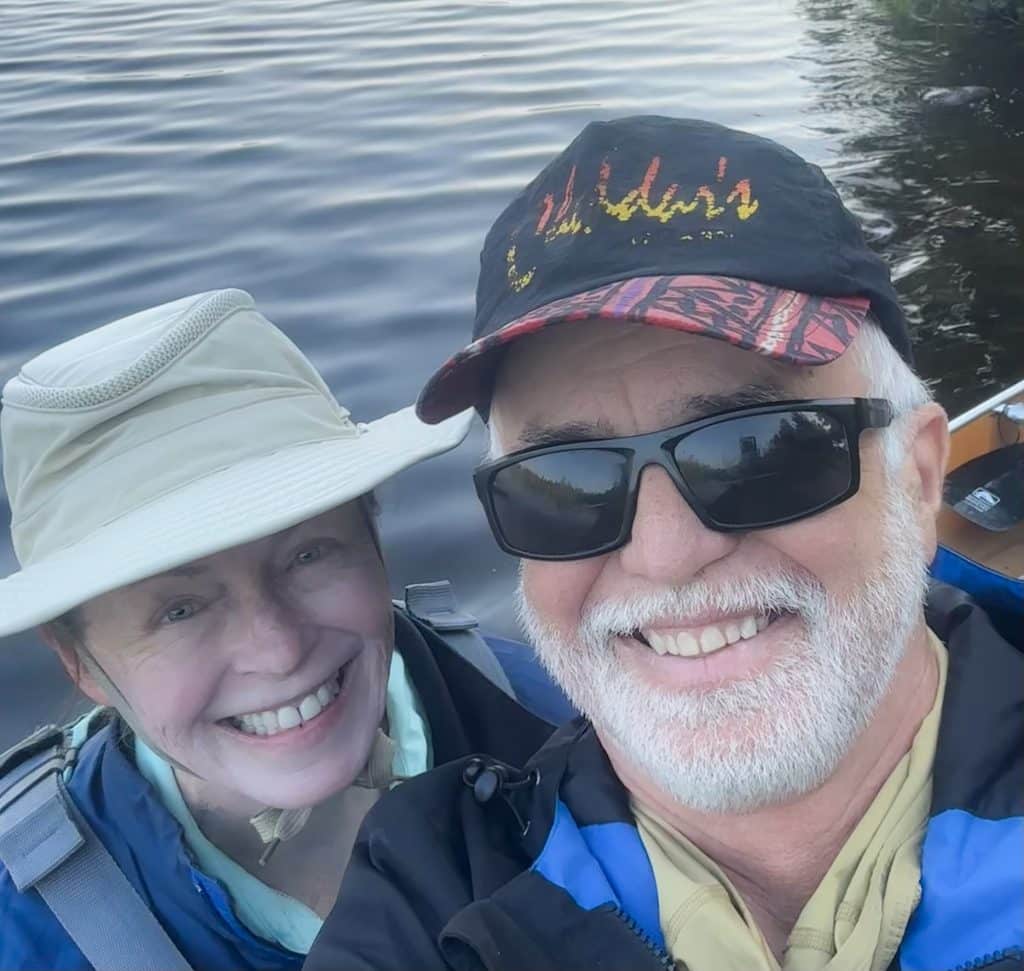
Steve and Roberta on the Sawbill Dock in August 2026. Submitted photo
Right away, Steve and I fell into the rhythm of paddling in tandem, an easy cadence that comes from years of canoeing together. We quickly crossed Sawbill Lake to the portage leading into Alton. The 30-rod portage between Sawbill and Alton is flat and easy to navigate (a small gauge railroad for hauling cut timber once operated here). Before long, we were paddling on Alton Lake.
Three campsites on Alton—the closest sites to the entry point—were occupied. Most other campsites were vacant. I wondered if people had chosen to camp near the entry point for safety reasons. After all, stories of canoeists being evacuated by helicopter or towboats just two weeks before had dominated the news across Minnesota. In addition, fire officials consistently warned the public to remain vigilant. The forest was still a powder keg and weather conditions could worsen rapidly.
The famous jumping cliffs of Beth Lake are situated next to the Alton portage. As we arrived to them around mid-morning, a stunning stillness surrounded the cliff faces. There were no rock jumpers to be seen. In fact, we appeared to be the only humans around.
A unique hue in the BWCA, August 2026. Photo by Roberta Laidlaw
At the first campsite on Beth Lake, we stopped for lunch. A dull orange shaft of sunlight filtered through the trees. This lackluster color was caused by wildfire smoke trapped in the upper atmosphere. Steve was happy to discover bushes of ripe blueberries, service berries, and pin cherries. While we picked berries, a plane slowly flew overhead, interrupting the silence, a reminder that we weren’t all that far from an active fire zone.
After lunch, we paddled the length of Beth Lake and reached the 285-rod portage leading to Grace Lake. There, we stashed our canoe and simply hiked across the portage. Unencumbered by the weight of a canoe and packs, we stopped here and there to analyze the forest. Like many places in the Northwoods, this forest consisted of a clogged-up, messy jangle of dead balsam trees and other assorted deadfall; so thick that a person would have an extremely tough time walking through it. Yet another setting in the boreal forest ecosystem ripe for a cleansing wildfire.
The woods around Grace Lake were profoundly silent. The birds were quiet. No loons were calling. There were no people around. Occasionally, a slight breeze blew the faint scent of wildfire smoke in our direction.
Half an hour later, the time had come for us to reverse our journey. I did not want to leave, but we only held a day permit. We had to go.
Halfway across Beth Lake, bountiful laughter caught our attention. People were leaping from the jumping rocks. From that point on, it felt as though a switch had been turned. Alton Lake was teeming with enthusiastic day paddlers, overnight canoeists, and anglers.
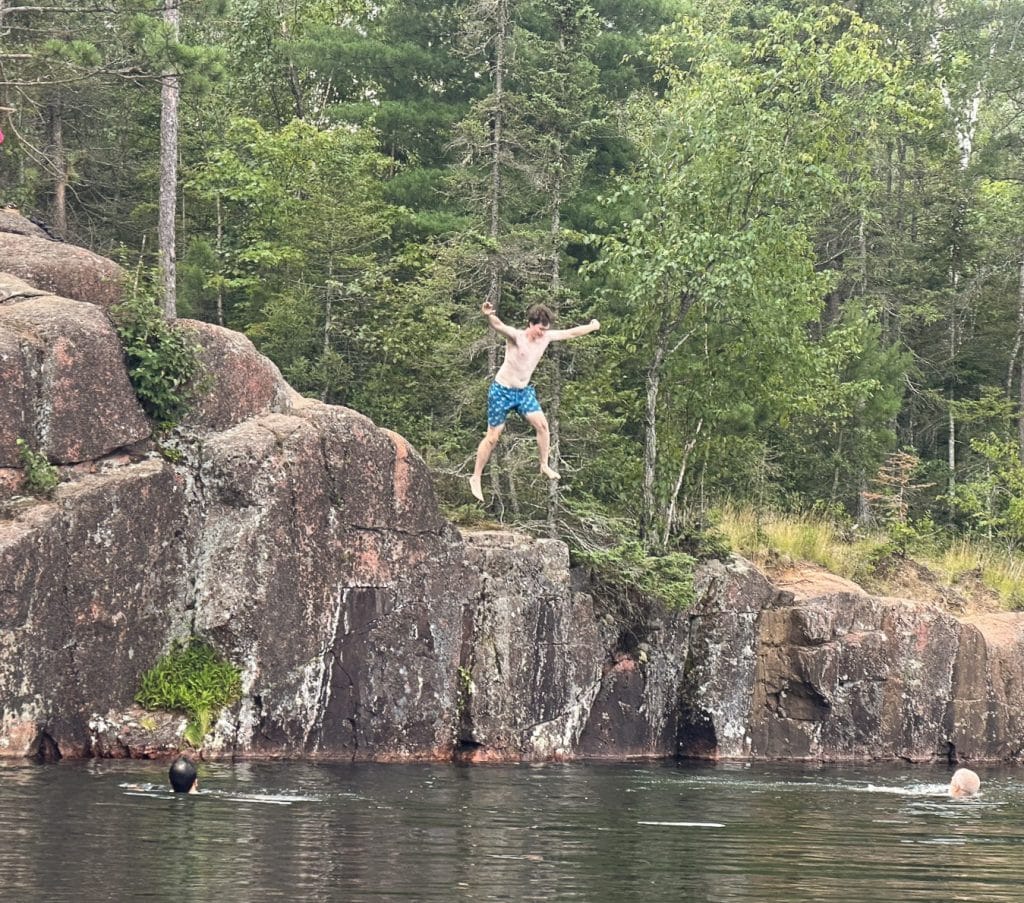
Activity returns to the jumping rocks on Beth Lake in August 2026. Photo by Roberta Laidlaw
When we returned to the Sawbill dock it was a beehive of human activity. People milled about the Sawbill store and a line had formed at the checkout counter. During our drive home, we noticed a steady stream of vehicles traveling northward with canoes lashed to their rooftops. The changeover from this morning was dramatic. The Boundary Waters was back in business.
Driving back to Duluth, Steve and I concluded that five hours of driving was worth it to spend the equivalent of a workday on the water. Our eight hours back in the BWCA felt transformative, moving from the time of the closure into the next phase. Summer in the Boundary Waters was not over. In some ways, it felt like it was just starting.
Subscribe to Paddle and Portage to support storytelling from and about the Boundary Waters
Other Recent Articles
Local Governments Keep Asking: How Much is the BWCA Wilderness Worth?
The Cook County Courthouse in Grand Marais. Photo by Joe Friedrichs Local governments near the Boundary Waters Canoe Area Wilderness have asked this question before, and they’re still wondering: How much money is the BWCA worth? The root of the question stems from...
Wildfire Evacuation Stands Out in Otherwise Quiet Year for BWCA Search & Rescue Operations
Towboat evacuation July 14 in the BWCA Wilderness. Photo courtesy of Vosburgh's Custom Cabins BOUNDARY WATERS – A stretch of three days in July where thousands of paddlers were evacuated from the Boundary Waters Canoe Area Wilderness was the peak of an otherwise quiet...

Forest Service Prepares for Significant Announcements on BWCA Policy & Usage
BWCA Wilderness entry point sign. Photo by Joe Friedrichs The U.S. Forest Service continues to consider changes to a trio of policies that would impact people and businesses that interact with the Boundary Waters Canoe Area Wilderness. Of the potential changes, this...